Especially the whitepaper has some interesting details.
Whitepaper :
http://taossa.com/archive/bh08sotirovdowd.pdf
Slides :
http://taossa.com/archive/bh08sotirovdowdslides.pdf
Who am I to disagree : I think the lack of quality only partially has to be accounted to the prices being paid for 0day, 0day in terms of bugs are rarely being presented at conferences. I think the security market has become crowded and noisy, press is jumping more and more on it security over the last 5 years and have not been helping to increase quality but sensationalism. See DNS bug vs. SNMPv3 bug. I also think that time is increasingly getting spare to prepare for such conferences (this implies research) for every researcher there are 5+n consultants. Anyways that's the reason I have not been at BH or Defcon this year - last year really sucked.
PS. The 100k price tag for an SSH 0day is too low by the way.
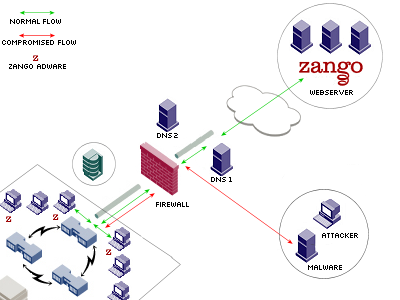
After the dns + evilgrade fiasco I hope that insecure auto update functions are taken as serious as they should always have been Back in 2006 I warned about it when reporting that Zango Adware was downloading and executing udaptes without checking for authenticity. Zango fixed it eventually, my scenario I illustrated back then however was seen as unlikely event. Fast Forward 2 years - oops.
What is of more concern is that adware update process seems to be more "secure" in 2006 than adobe acrobat is in 2008. ouch.
Here are the slides and the code from the Blackhat USRP talk :
http://ossmann.com/bh-usa-08/
This is kind of old news and present it here for the archives, a German TV Channel "SAT 1" did a documentary with me on Bluetooth security. I am not happy about the outcome, they had around 6 hours of footage, 5 minutes were used, and only the non challenging information was shown. The real stuff (MiTM, Key recovery) has not even been indirectly refered to.
For those that understand German here is the archived footage :
Planetopia - Bluetooth from Thierry Zoller on Vimeo.
What is Psychological Safety ? Psychological safety is a concept that refers to an individual's perception of the consequences of taking...