Here is an interesting flaw called "Surfjacking"

Pre-requisites :

  • Take a MitM situation
  • Take a site that uses Cookies for Session handling
  • Take a site that does not set the "secure" cookie flag.
Result :
  • Victim logs into https://www.somebank.com/
  • Session cookie is generated and set on the client
  • Victim visits another website (http://www.example.com)
  • The MitM attacker sees clea text traffic to www.example.org
  • Attacker sends a 302, or "301 Moved Permanently" to “Location: http://www.somesecurebank.com/”, . Note the HTTP (not HTTPS).
  • Victim browser follows the redirect and sends session cookie to http://www.somesecurebank.com in clear text.

Recommendation:
Set-Cookie: NAME=VALUE; expires=DATE; path=PATH;
domain=DOMAIN_NAME; secure
as such the cookie will not be sent to the HTTP site - simple fix, pay attention to this during your next pentest.

Whitepaper :
Surf Jacking.pdf

Video :

Sandro Gauci
Here is the white paper and the slides to Mark Dowd & Alexander Sotirov Talk "How to Impress Girls with Browser Memory Protection Bypasses" - a must read :

Especially the whitepaper has some interesting details.

Whitepaper :
http://taossa.com/archive/bh08sotirovdowd.pdf

Slides :
http://taossa.com/archive/bh08sotirovdowdslides.pdf


Who am I to disagree : I think the lack of quality only partially has to be accounted to the prices being paid for 0day, 0day in terms of bugs are rarely being presented at conferences. I think the security market has become crowded and noisy, press is jumping more and more on it security over the last 5 years and have not been helping to increase quality but sensationalism. See DNS bug vs. SNMPv3 bug. I also think that time is increasingly getting spare to prepare for such conferences (this implies research) for every researcher there are 5+n consultants. Anyways that's the reason I have not been at BH or Defcon this year - last year really sucked.

PS. The 100k price tag for an SSH 0day is too low by the way.


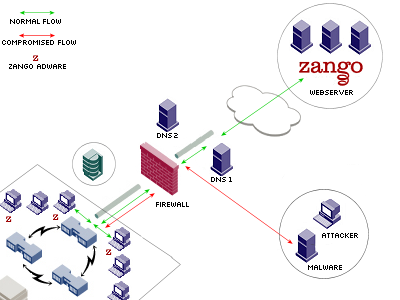
After the dns + evilgrade fiasco I hope that insecure auto update functions are taken as serious as they should always have been Back in 2006 I warned about it when reporting that Zango Adware was downloading and executing udaptes without checking for authenticity. Zango fixed it eventually, my scenario I illustrated back then however was seen as unlikely event. Fast Forward 2 years - oops.

What is of more concern is that adware update process seems to be more "secure" in 2006 than adobe acrobat is in 2008. ouch.

Here are the slides and the code from the Blackhat USRP talk :
http://ossmann.com/bh-usa-08/